At Redeemer’s University, the foundations of sustainable food sourcing begin close to home. Where food is produced, how it is grown and the journey it takes before reaching the plate all matter when building a resilient food supply. The university’s approach connects on-campus food production with support for agricultural activity in Ede and a commitment to sourcing responsibly from a wider supplier network where necessary.
This approach can be understood in widening circles: first, food grown within the university; next, agricultural producers in its immediate community; and finally, other suppliers who help meet the university’s broader food requirements. Distance is an important consideration, but sustainable sourcing also depends on responsible production, fair labour practices, quality, reliability and waste reduction.
Growing What We Consume: Food Production Within the University
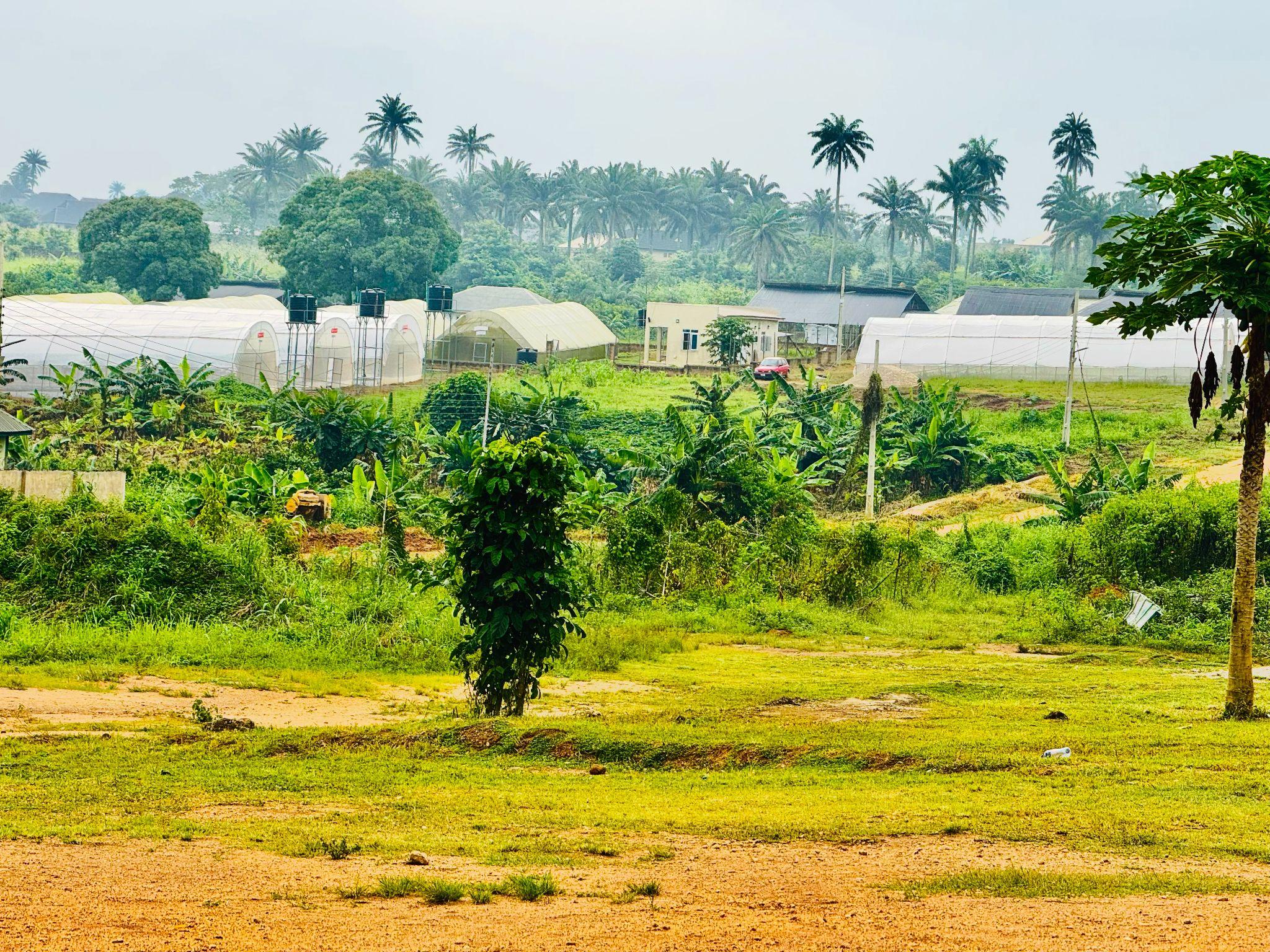
The university’s greenhouse grows tomatoes, cucumbers, peppers and other vegetables and supplies produce to campus food outlets. This creates a direct connection between agricultural production and meals available to students and staff, while shortening the journey for the produce grown and used within the campus.
The greenhouse also creates opportunities to align selected crop production with demand from campus food services, improve access to fresh vegetables and reduce reliance on distant suppliers for the products the university can grow itself. These activities are complemented by the RUNWA Urban Agricultural Initiative, which encourages the cultivation of food and the productive use of available spaces within the university community.
Strengthening Agricultural Relationships in Ede
The next circle of Redeemer’s University’s food system is its host community. The university supports farmers in Ede by making unused farmland available for cultivation free of charge, alongside opportunities to obtain greenhouse produce at subsidised prices. These arrangements support local agricultural production and strengthen relationships with people whose livelihoods depend on farming.
Strong local producer relationships also create opportunities for the university to expand purchases from nearby farms when their produce meets campus needs and institutional sourcing standards. This is an important direction for sustainable food purchasing: connecting the people who grow food in Ede with those who prepare and consume it at the university.
Extending Outwards: Responsible Purchasing Beyond the Host Community
On-campus cultivation and nearby farms cannot necessarily supply every food item or every quantity required throughout the academic year. Where wider supply is needed, Redeemer’s University’s published Ethical Sourcing Policy (Food and Supplies) provides a framework for responsible purchasing. It promotes local and regional sourcing wherever feasible and calls for suppliers to meet environmental, labour and transparency expectations.
The policy also recognises the importance of working with local farmers, vendors and small-scale producers while considering factors such as responsible production, reduced packaging and sustainable procurement. This creates a basis for choosing products that support both the university’s food requirements and its wider responsibilities to people and the environment.
The aim is not simply to buy the closest available product. It is to make sourcing decisions that balance the advantages of proximity with food quality, availability, ethical production practices and the efficient use of resources.
A Connected Approach to Sustainable Food Purchases
Through its greenhouse, RUNWA’s agricultural initiative, support for community farmers and published responsible sourcing commitments, Redeemer’s University is connecting food production, food purchasing and community development. Starting from within the campus and extending into surrounding agricultural communities helps the university strengthen the resilience of its food supply while supporting livelihoods and sustainable agriculture.
By taking this wider view of where its food comes from, Redeemer’s University advances SDG 2: Zero Hunger and builds on the relationship between local food systems, responsible purchasing and the nutritional needs of its students and staff.